Different Configurations, Different Uses
Traditionally, panic buttons are thought of as part of an intruder alarm system: press the button when someone breaks into your home, and an alert is sent. While that’s still valid, in the environments we operate in — primarily office spaces — panic buttons are often tied into the access control or security monitoring system instead.
For example:
-
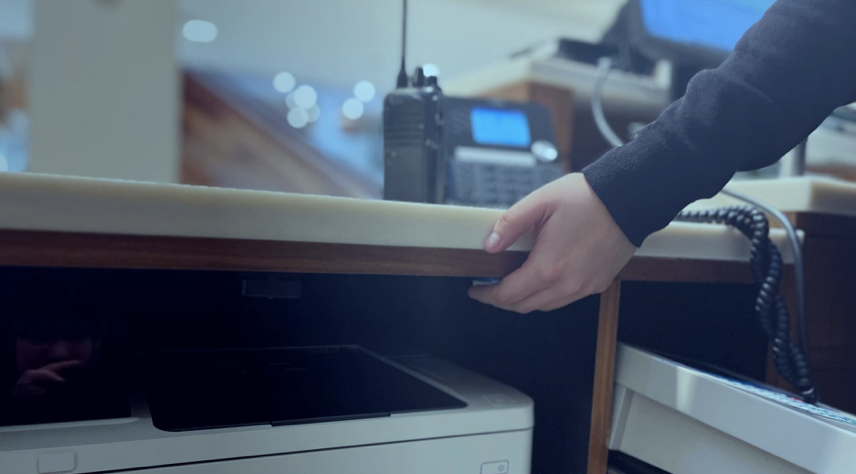
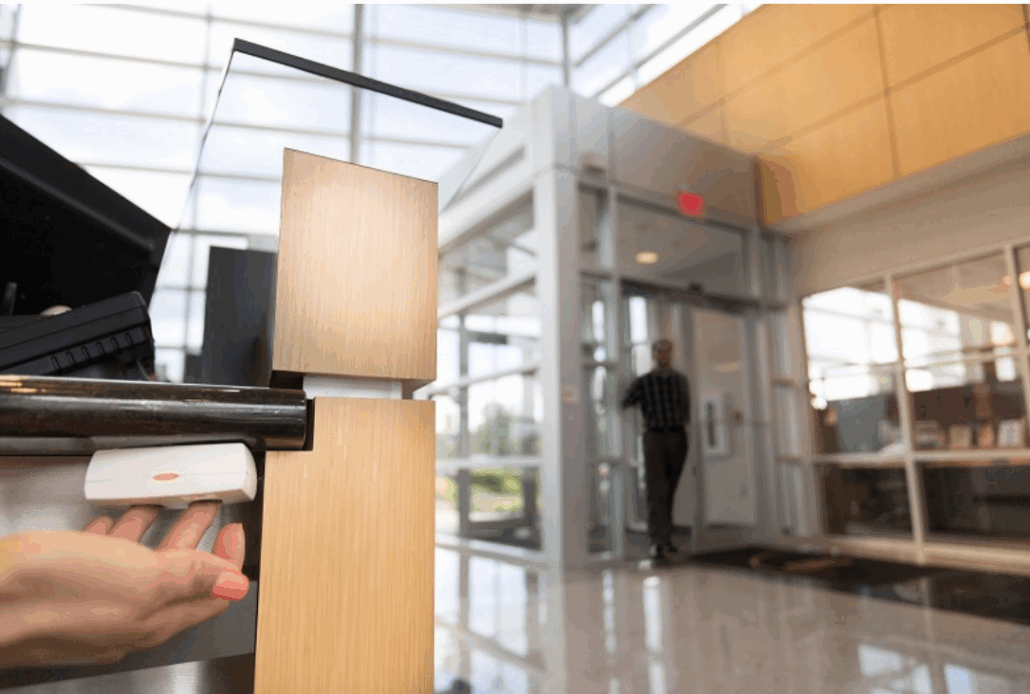
Reception Desks – If a visitor becomes aggressive, staff can discreetly press the button to alert security.
-
General Office Areas – Buttons can be placed in shared spaces, allowing colleagues to raise an alert if someone nearby is in distress.
-
Medical Response – In some setups, pressing the button doesn’t just call security — it triggers a response protocol where trained staff bring a defibrillator or first aid equipment.
What makes panic buttons so effective is their flexibility. Each office environment is unique, and the configuration can be tailored to specific risks, procedures, or company culture.










Leave a Reply
Want to join the discussion?Feel free to contribute!